
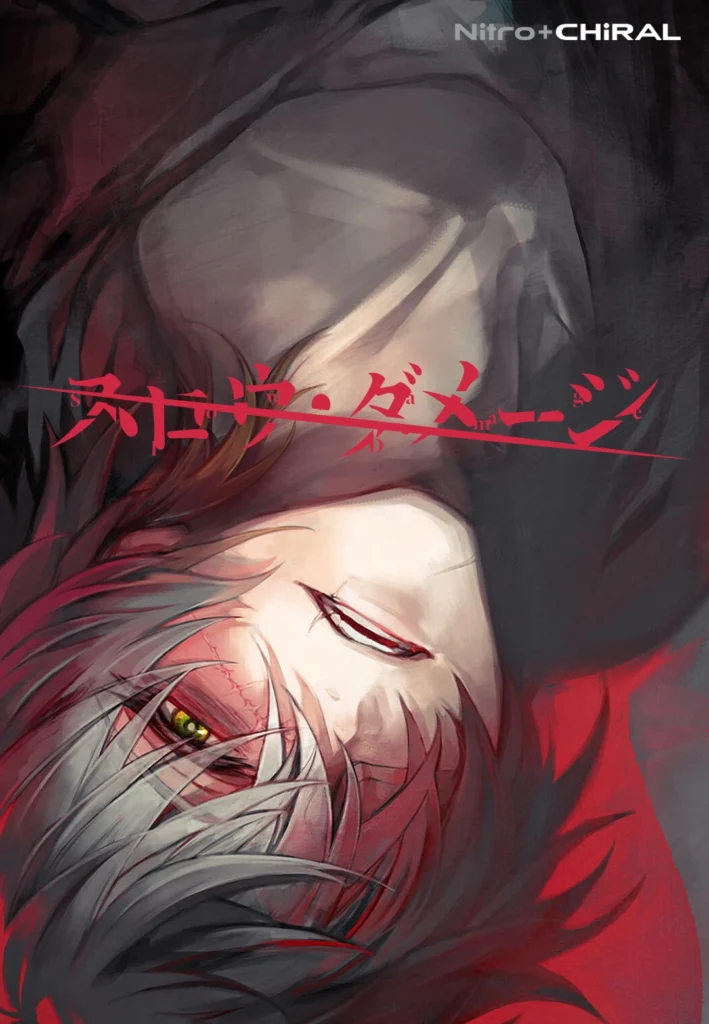
Name: Slow Damage/スロウ・ダメージ
Type: Yaoi/Boys Love Visual Novel
Developper: NITRO CHiRAL
Publisher: JAST Blue
Release date: 2022-11-14
Systems: PC
Language: English
Voiceover: Japanese
The year is 20XX, and the declining nation of Japan has built the ultimate casino resort: Shinkoumi. This “special administrative region,” once known as Tokyo Waterfront City, is functionally its own separate country under the complete control of a private managing organization known as the Takasatogumi.
With the economy in turmoil, the masses flock to Shinkoumi with the hope of getting rich quick, or at the very least, venting the stress of their overworked, underpaid lives. With no restriction on who can enter, crime has flourished, and entire districts have decayed.
Our protagonist, Towa, lives a life of indolence on the third floor of a small neighborhood clinic. For you see, he has a hobby: painting human desire. Specifically, the moment before those suppressed urges break free from their constraints. And to do so, naturally, he must experience it himself firsthand.
In the art world, he is known as “euphoria”.
It can be dangerous to grant people’s darkest desires – sometimes, even deadly. But in the spirit of avant-garde, Towa is willing to die for his art…
Preface: I only played Dramatical Murder and Sweet Pool maybe 10 years ago. Slow Damage was my first Boys’ Love and NITRO CHiRAL game in a while so my thoughts are also a result of being unaccustomed to the medium and the storytelling of NITRO CHiRAL games.
A lot of padding
Slow Damage introduces two new mechanics that sets it apart from other NITRO CHiRAL titles. The exploration segments, which offers a break for the player to wander around town and make small talks with side and main characters. Thanks to these discussions, you’ll gather keywords or expressions that can be used in the interrogations you’ll have later. These gameplay mechanics are reminiscent of other visual novel adjacent games like Ace Attorney or Danganronpa. But in those games, they were made purposeful. You had to gather clues to successfully wrap up the cases, and before entering the interrogation phase, you already thought about the clues, how they connected to each other, and what could be the outcome of the trial.
In Slow Damage, there isn’t the same weight put to it. You can even skip the exploration and it will have no consequences on the interrogation (as I got Taku euphoria ending despite mostly skipping it). Gathering words like “No problem for you”, “screwed” or “I feel you” don’t give you any indication of what the interrogation will lead to anyway. It’s the classic scrolling text that gives you all the hints necessary to know how to drive the interrogation successfully. As a result, these two mechanics feel like an afterthought, an intent to make the game more interactive since Towa has to bring out euphoria in other characters. Maybe the devs felt like the classic choices weren’t enough, but I still think that the execution wasn’t the best.
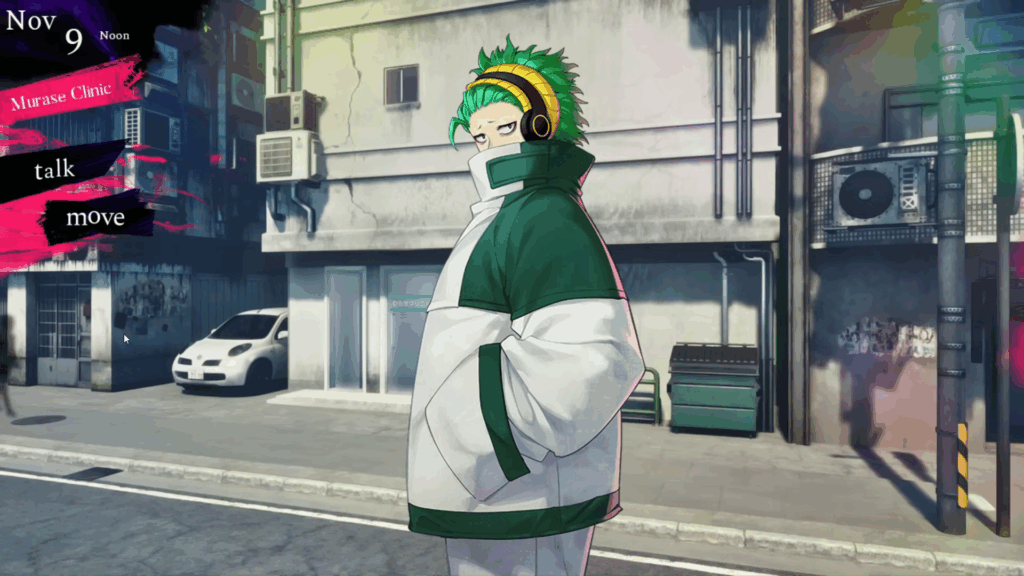
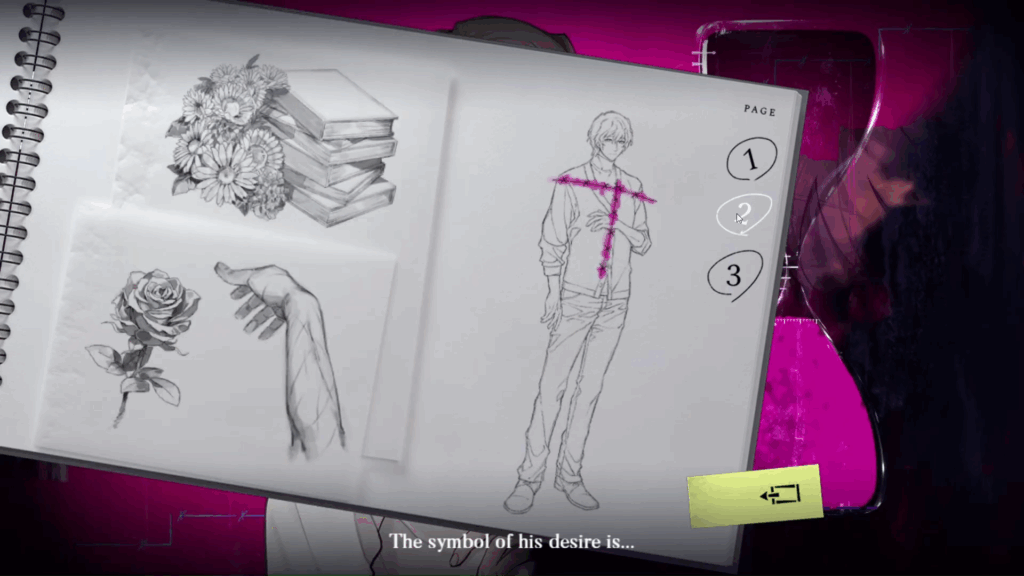
Another one of my gripe is how the same type of scenes repeat over and over again:
– Towa being at Roost (and asking for “the usual”) ;
– Towa getting beat up ;
– Towa smoking or drinking ;
– Rei reprimanding Towa and reminding him to eat ;
– Taku reprimanding Towa and patching him up…
These scenes are an attempt to make the game look more mature and grim. But it only made the game look childishyly edgy. I get it, Towa doesn’t care about his health and likes to put himself in danger, I don’t have to be reminded of this every 5 minutes. For the most part, there seems to be no consequences of Towa’s self-destructive behaviors. It makes Shinkoumi look like a relatively safe place where Towa can wander in the street at 3 AM half-drunk and still make it out alive, which kind of contradicts the introduction of the game where the city is depicted as the worst kind.
Everyone failed Towa
After finishing the true route, I felt empty deep inside because of Towa. It seems like everyone around him was using him to satiate their own egoistic needs.
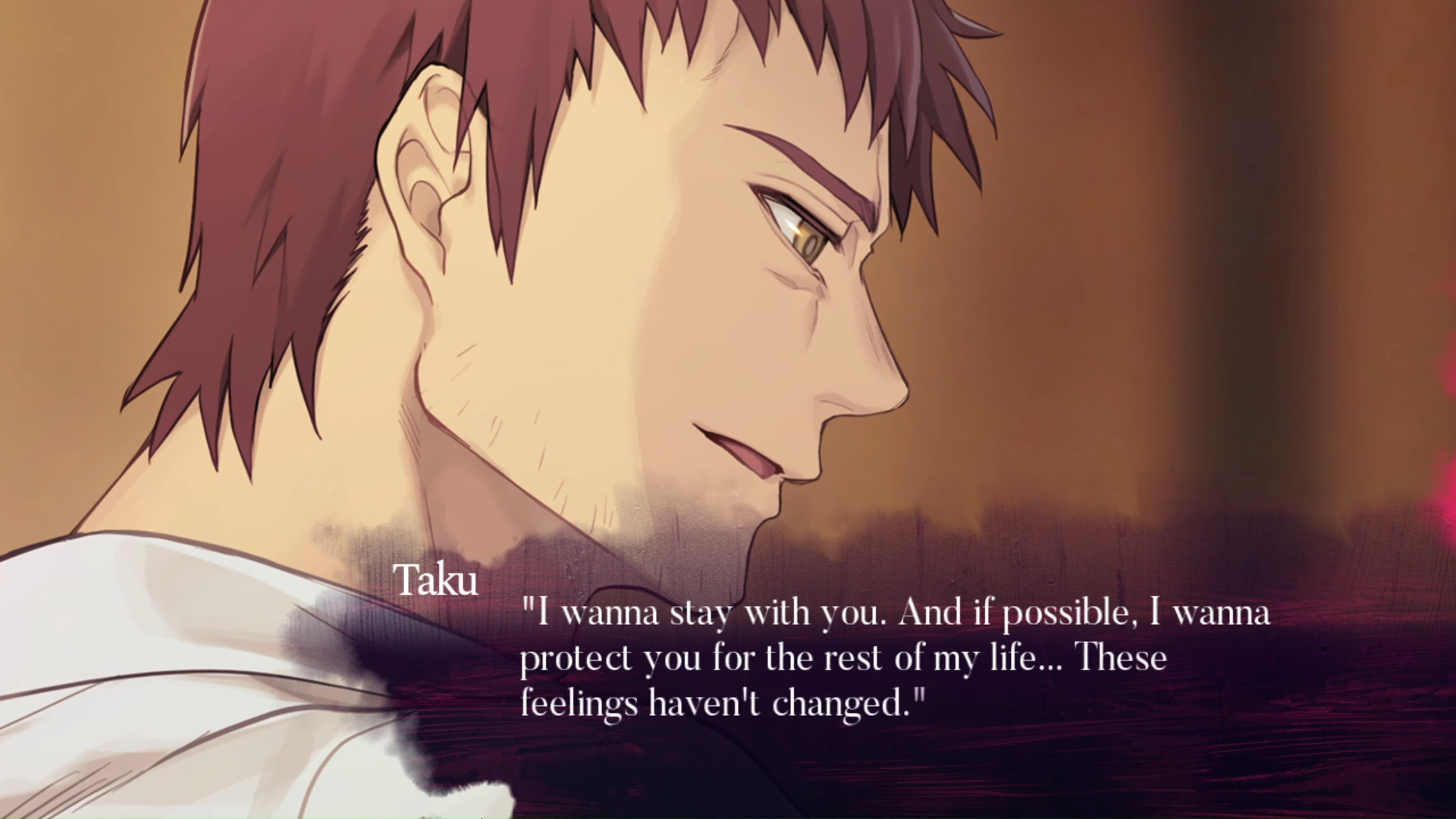
Taku grooms Towa from a young age and has this weird obsession with him because he’s related to Maya whom he greatly admired. He uses Towa to feel better about himself by mimicking an overprotective parental figure to the point where he’s suffocating Towa’s growth and exploration of himself (and his past). This only enables Towa to never face himself and understand his past, thus enabling the trauma in the form of nightmares that grow slowly more frightening, self-destructive behaviours that get even more violent… Given the connection that he had to Maya, I refuse to believe that he wasn’t aware of euphoria and what Towa was made to do in there.
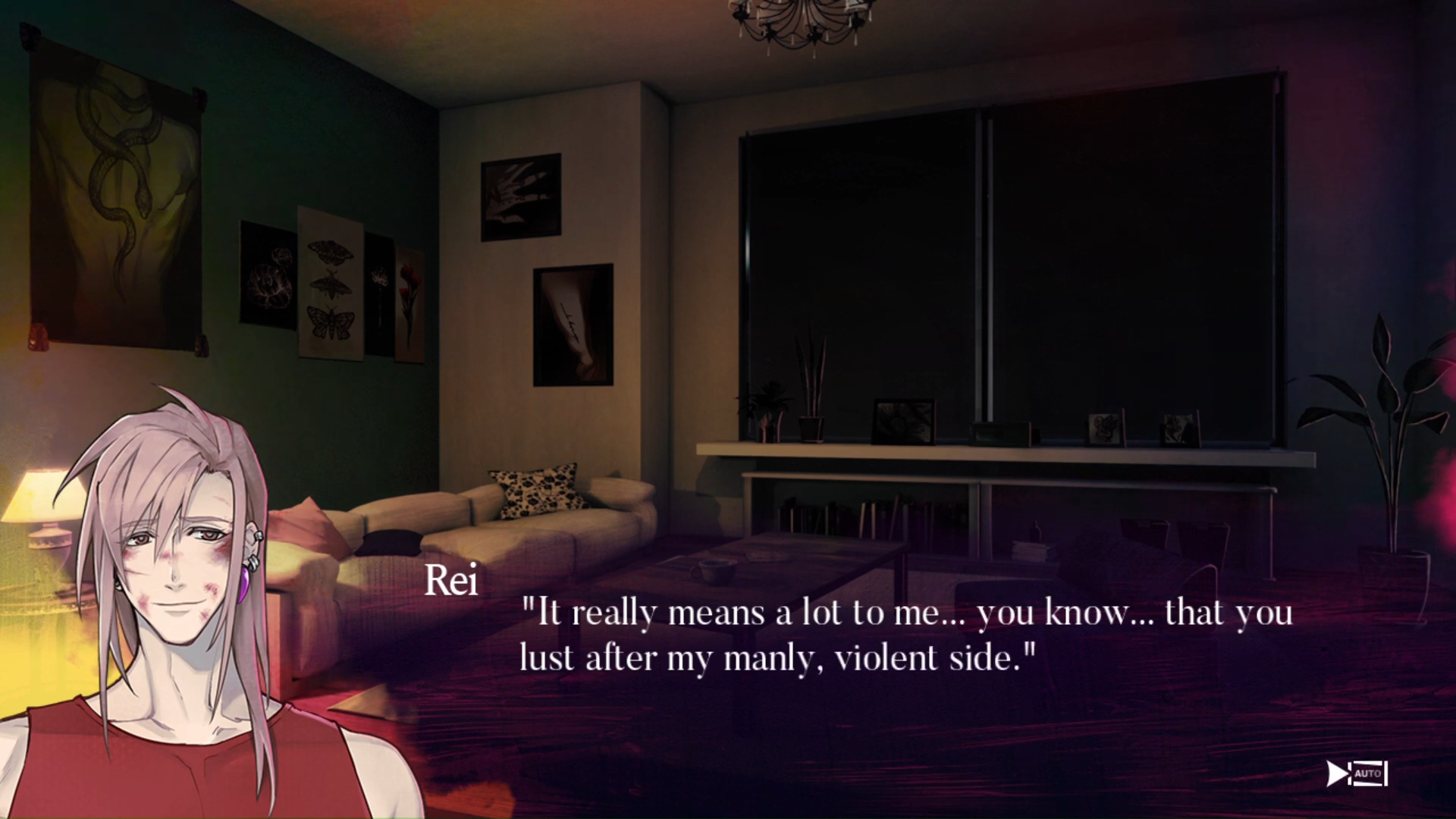
Rei uses Towa as his own shrink and as a result gets a better understanding of his need for violence and his identity crisis, but never helps Towa in return. This isn’t because Rei is a bad person in itself, but it left me with a sour taste to see no development in Towa whatsoever. Towa has already a lot of shit to deal with personnally, but in this route it’s like he completely forgets himself.
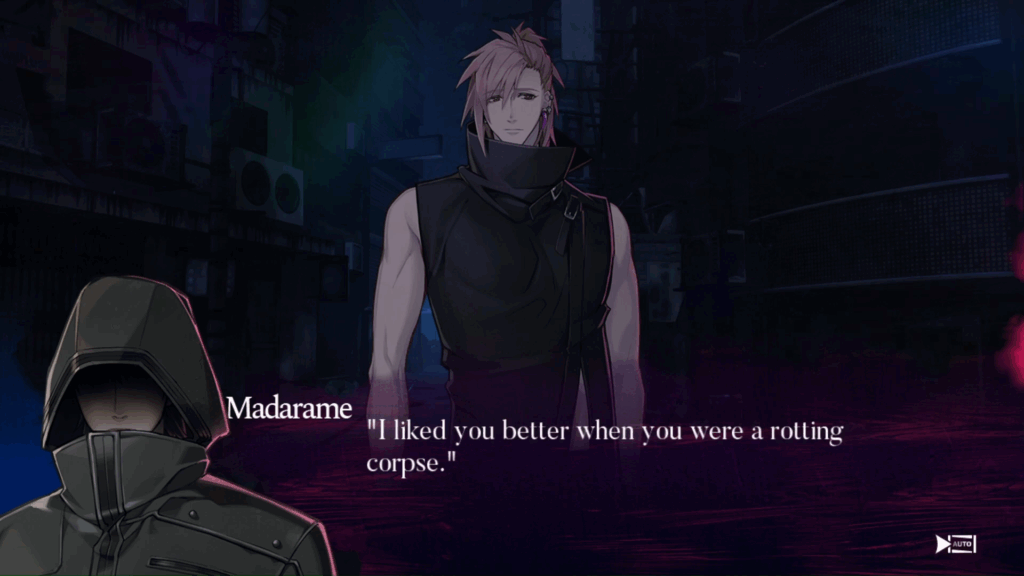
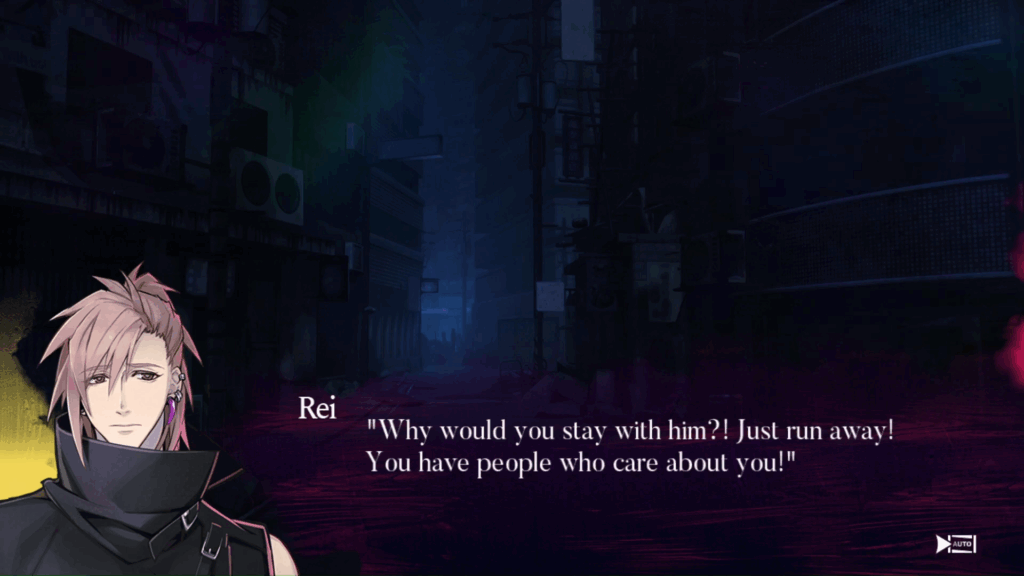
Madarame knows about Towa’s past but doesn’t bother to tell him, only thinking about Towa as his short-term dopamine machine. Towa going back to Madarame when Rei was trying to bring him back was heartbreaking, not because returning to Taku’s clinic is inherently better for him, but because we witnessed how Towa has no “home” to return to. Madarame represents a major part of his life and what feels the most like “home” to him, because it’s what he’s most accustomed to. He felt comfort and warmth in what was familiar to him.
You may feel conflicted when it feels like he’s returning to his abuser. But for me, this scene just shows how lonely Towa is, and Madarame in a sense too. The only links that they share are nostalgia and their need for violence.
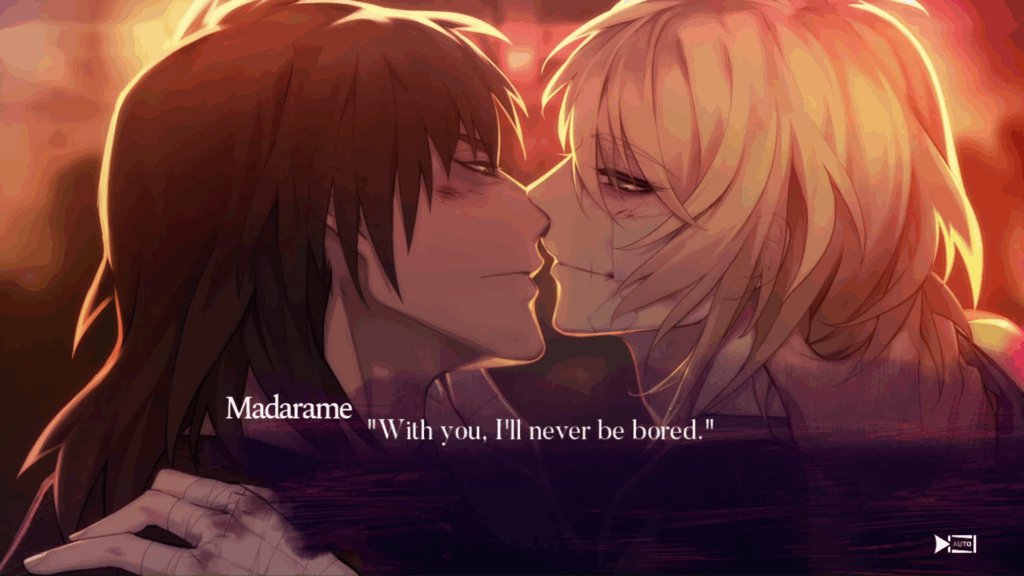
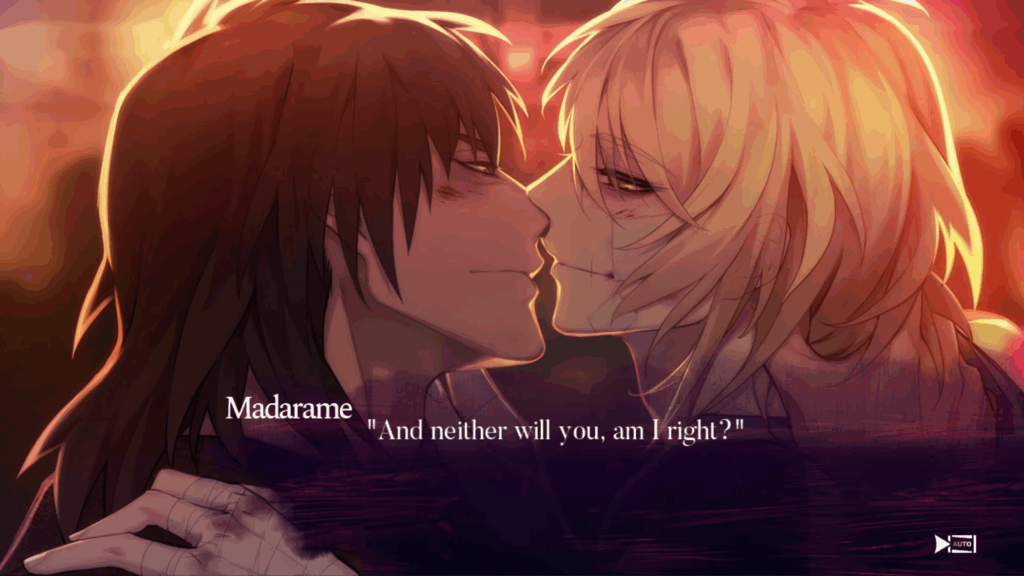
Towa seems to regress with him, even going as far as to dye his hair just like he had years ago. I don’t know if this is a horrible interpretation but even if it felt wrong at least Towa found some kind of peace in the end, without having to “heal” someone else. Madarame is the one who truly gets him and accepts him for what he is, and doesn’t try to shape him to be another person. He’s incredibly short-tempered and immature, and I think that he was badly written and could have had a more polished route. But at least, with Madarame, Towa doesn’t feel the need to paint euphoria anymore and put himself in danger like he had before (even if he partakes in fights…).
Maya used Towa for her own benefit, possibly creating euphoria just because of him. And from this first relationship everyone seems to treat Towa as a toy to relieve their own needs. It’s only natural that Towa develops a twisted view of himself as an object, a fuck toy. From his childhood, Maya took control of his body and this has deeply engrained the idea in him that his body belongs to others and can be used as they wish.
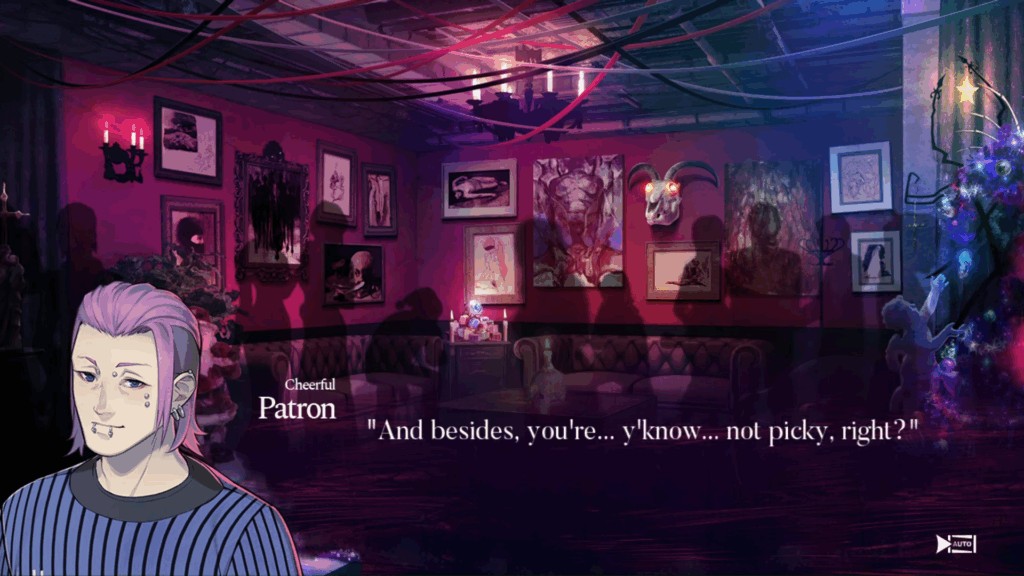
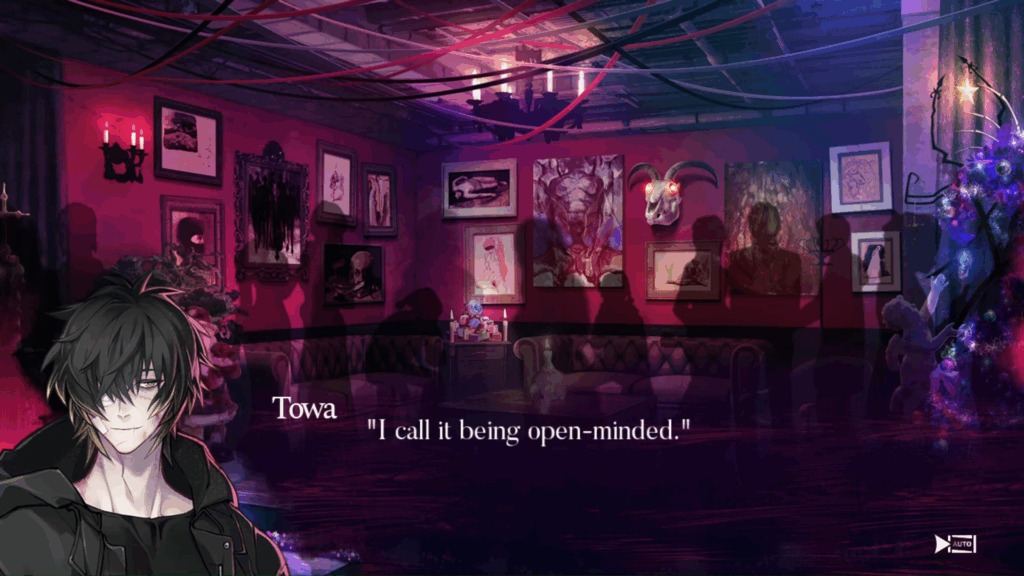
Most of the characters see Towa as a more or less little freak because of his promiscuous lifestyle and interest in bringing euphoria to others. But this part of him is just a reflection of his hidden past. A lot of characters laugh at him or want to take advantage of his low standards and it broke me. No one truly understands him. He’s mocked for his appearance or his lifestyle when internally he’s struggling with things that he doesn’t even understand, and yet he still try to hold onto life: he goes to work, has a hobby and genuinely just try to survive despite his hidden demons.
Twisted love
Towa has a fragile mental state and the love interests were also not the most stable ones either. As a result, the characters ended up enabling each other and bonding over their shared/adjacent traumas. But I guess that it’s the point of the game since the good endings are named “euphoria endings”, as if the good endings are when Towa successfully offered what the other wishes. For each love interest, he morphs into a different person and conforms to their needs, which is further shown by his change of appearance in each route. The only one where he looks like he always has is Fujieda ending. In Rei’s euphoria ending, he’s the same physically but still disguised with the couple’s motorcycle suit, which is very unlike him.
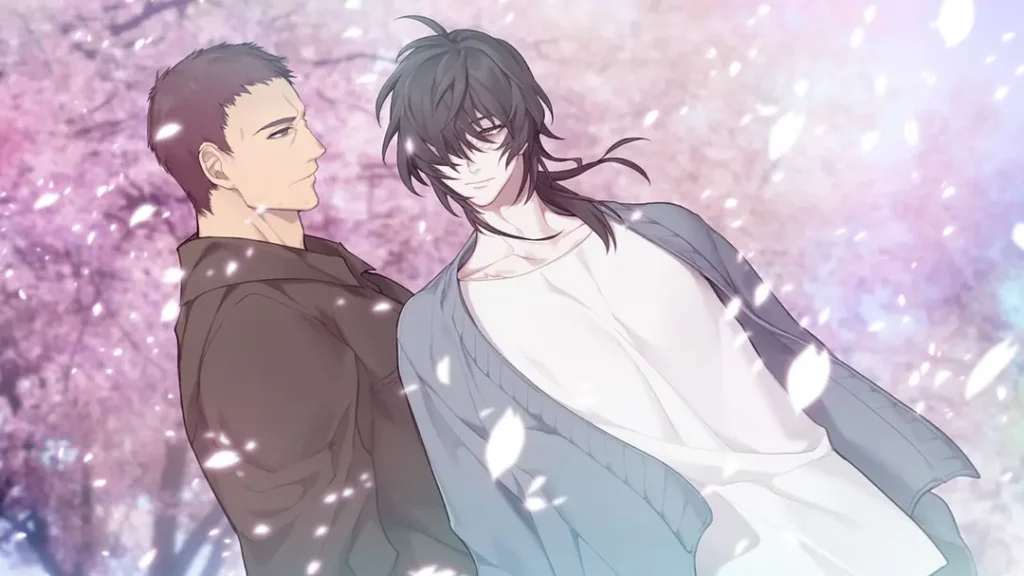
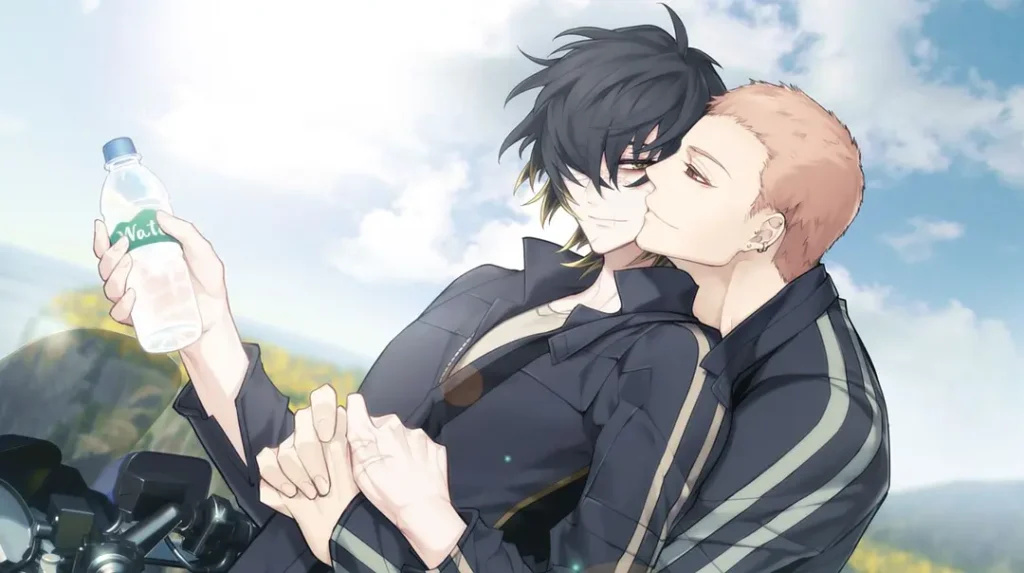
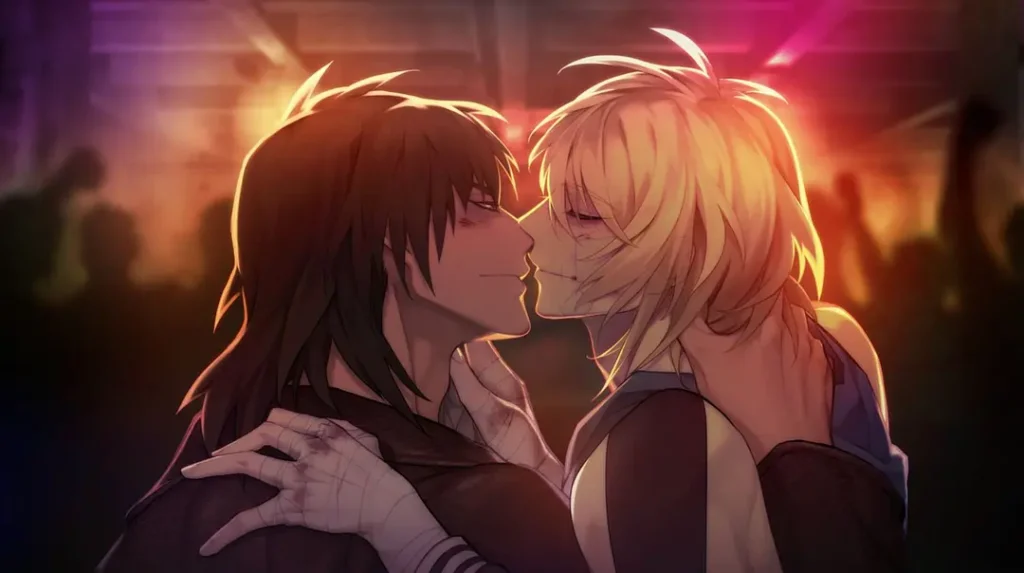
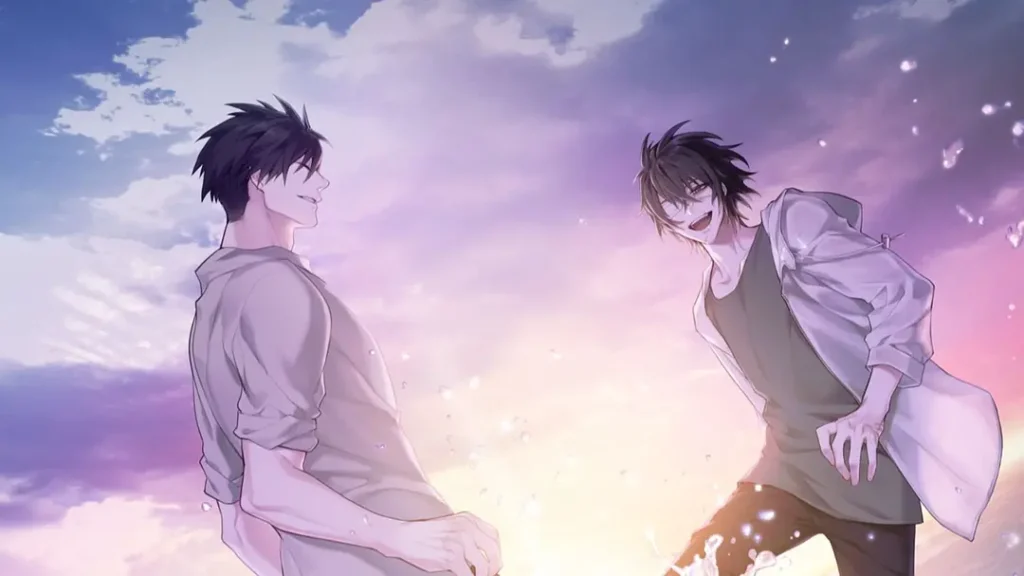
In each euphoria endings, the love interests also share some words on how Towa had an impact on their life:
Taku
Towa..
I will atone for my crimes and come back to you, I promise.
So please..
Wait for me.
And thank you…
For accepting who I am.
Rei
All this time…
You always saw me for who I was.
You accepted me… warts and all.
It was a sefless gesture that truly healed me. Thank you so much.
Madarame
You are the only person in the world…
Who I consider my match.
You want what I want…
You feel what I feel…
With you, I’ll never be bored.
And you feel the same way, don’t you?
Towa, even if he comes out as cold and indifferent to others, clearly helps the love interests. In these small poems, he looks like some kind of worshipped deity or a miracle. He brings peace to others and doesn’t judge them for their past/sins.
But in return, Towa seems to lose more in these unbalanced love stories. He tries to live on the same rhythm as his lover (with Taku, he just paints for months waiting for him to come out of prison / he accompanies Rei in his road trip despite having no interest in body modifications / he leaves his predictable lifestyle to follow Madarame out of Japan). Towa doesn’t thrive in violence and by witnessing the short moment of euphoria in others. What he enjoys the most is bringing other pleasure or happiness. He only sees worth in himself when he does so. While his euphoria activities with his clients were short-term, “love” can exist as long as his partner feels it. And since Taku, Rei and Madarame feelings are driven by twisted motives, their lovestories may last a long time.
The only ending were the love interest had nothing to say is the true ending. And it’s also the only one where Towa gets to talk about his feelings:
Quietly I wondered…
Was the sky always that bright?
For the first time in my life,
I was seeing everything in its true colors.
This was reality.
I was alive.
And for the first time in my life…
I cherished it
Attention to details
Some little details sprinkled here and there, especially in the true route, made me really emotional and elevated the whole experience:
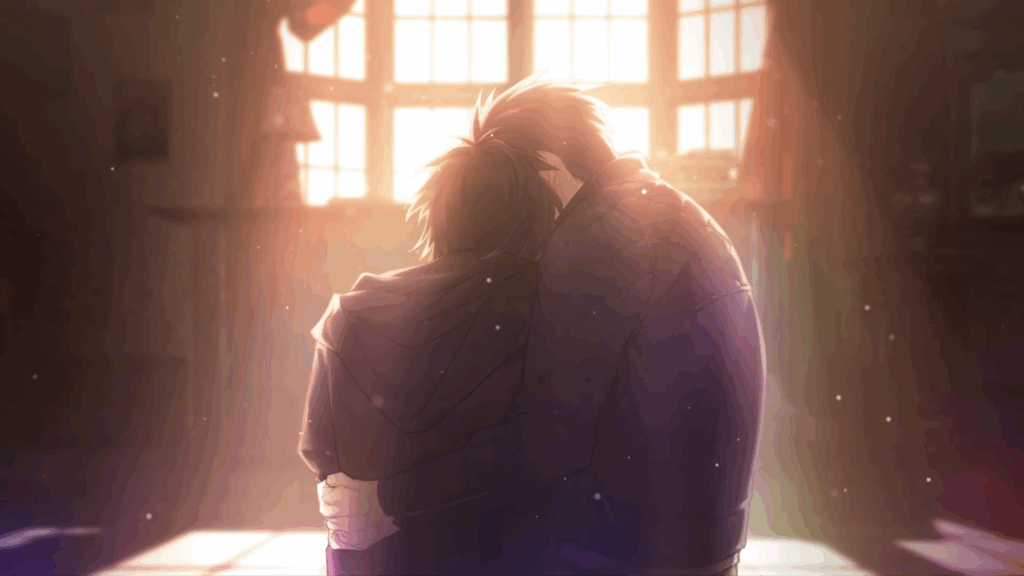
The first moment we see Towa cry in the game, when he’s reading an entry in the diary of her mother. We will never know the meaning of those tears, but the final art with the credits rolling where we see Fujieda hugging him is truly beautiful and comforting
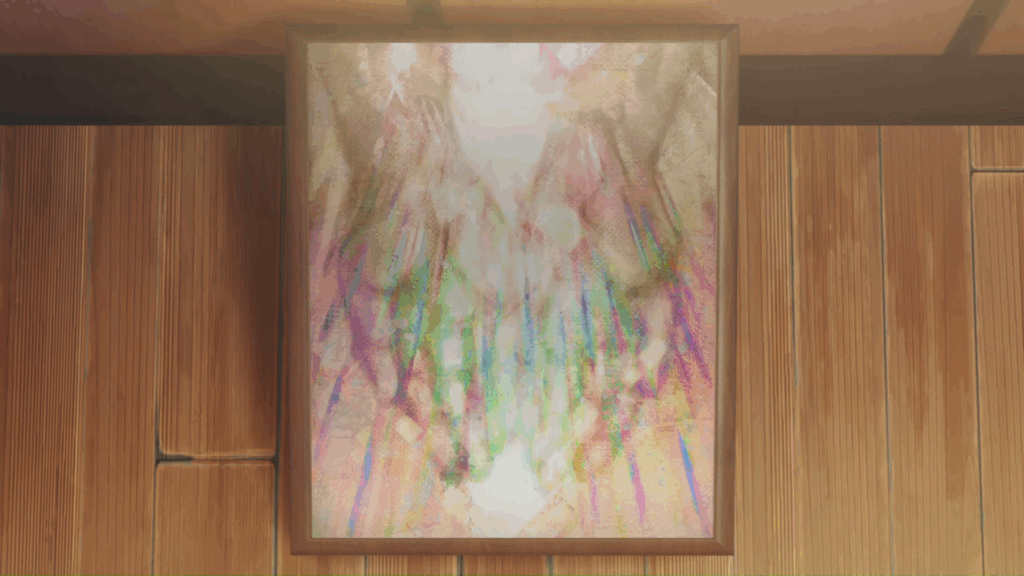
When Towa finally see the colors of the painting installed in the Tajima’s store after healing. His final painting of Fujieda’s euphoria is in the same kind of style, with white and gold strokes, unlike his previous paintings which were quite dark and muddy-looking.
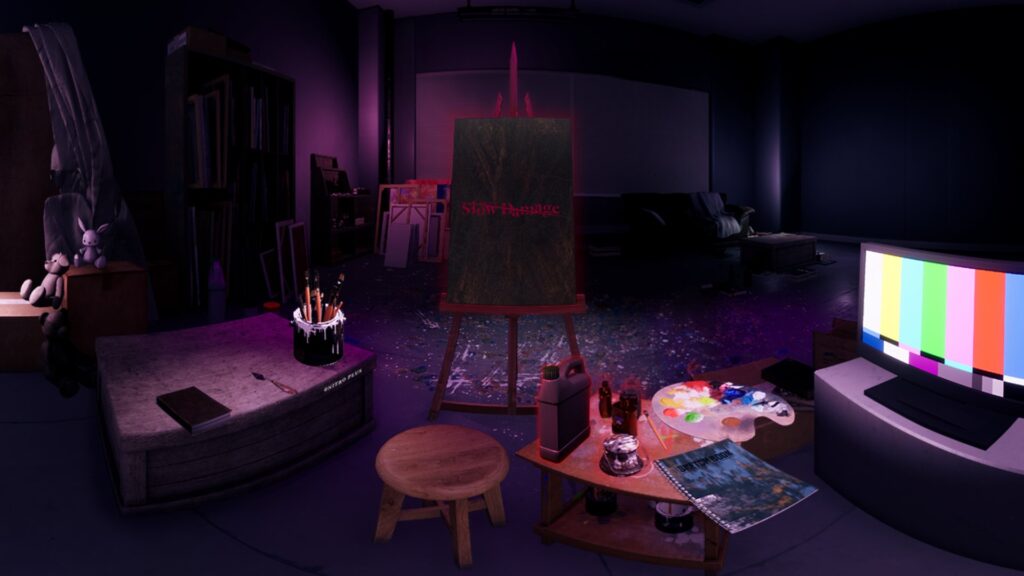
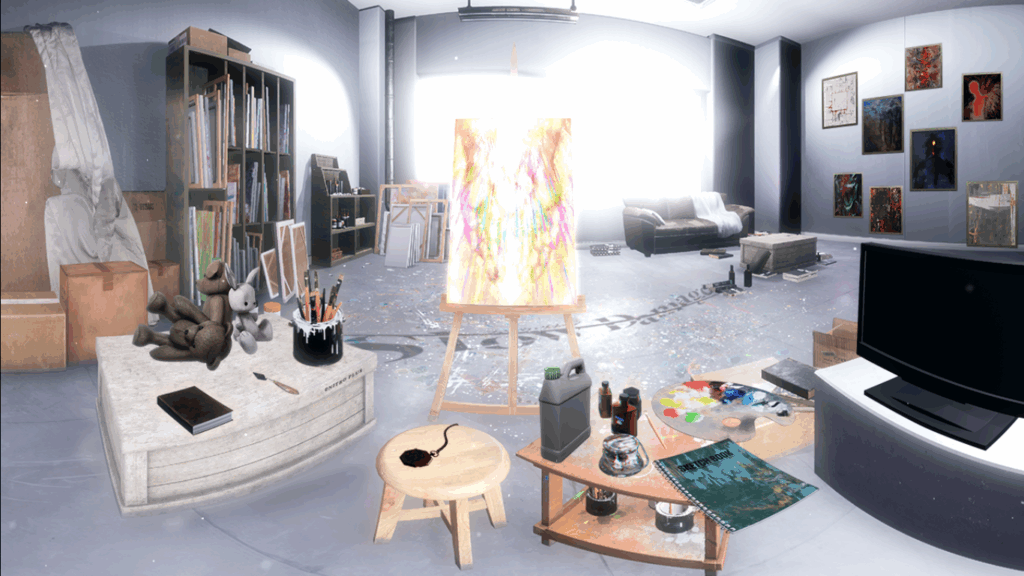
When the title screen changes entirely once you clear the true ending and thus emphasizing the conclusion of the game.
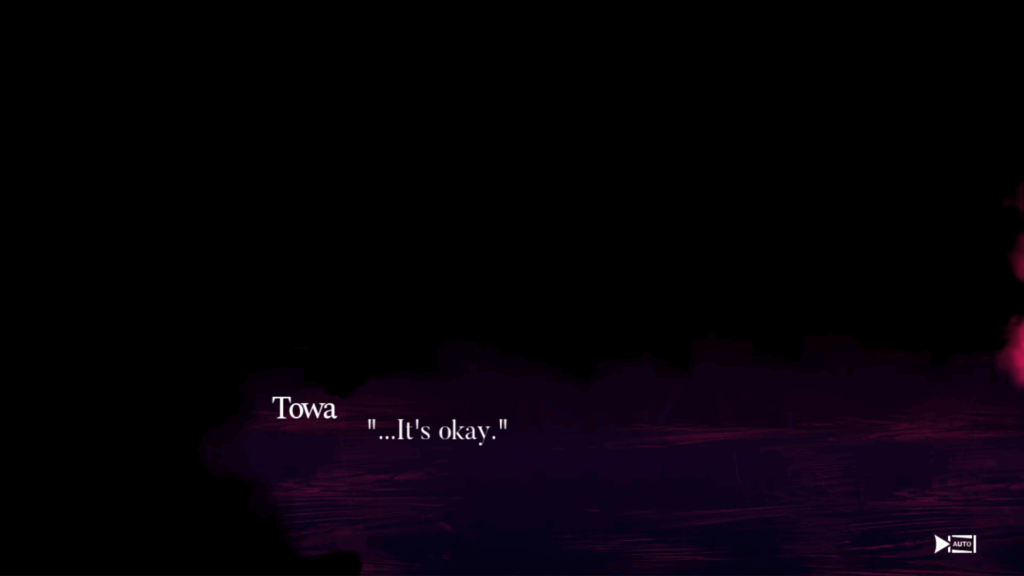
How a simple phrase and a little glitch on the screen can have so much meaning and give the player a whole new perspective once he uncovers the truth behind it.
What is the point of this game?
When I first started the game, I was drawn to Towa’s personality and his passion to witness the moment someone reaches their most hidden desire. I found it really poetic how despite his morose attitude, he had found something precious in the living experience. For it to only be a copy of what his mother provided in her establishment was a truly harrowing discovery. It made me look at the entire game in a different lens, since by partaking in the euphoria interrogations, I was basically reenacting the trauma that Towa suffered from.
In a way, this game really uses the medium of visual novel to its best capacity. You’ll have to play 30-40 hours to know the truth about the character that you have controlled since the beginning. I think that it’s a wonderful piece of media about how trauma can impact one’s life, and possibly be a “comfort game” for those who also suffered during their childhood, especially with how brave Towa was during the true ending.
But at the same time, it takes advantage of Towa’s trauma and made the player feel like a voyeur as if we were a customer at euphoria. The fact that Towa is always a bottom in every scene (despite stating that he can take the lead) and the nature of the “euphoria endings” reinforces this weird feeling. We’re accomplice in his pain by bringing him with the different love interests. One of the appeals of boys love games are the sex scenes. While some of them are certainly questionable and features a lot of non-consensual scenes… Here in Slow Damage the sex scenes feel even worse because, as I said, we see Towa conforming to others needs.
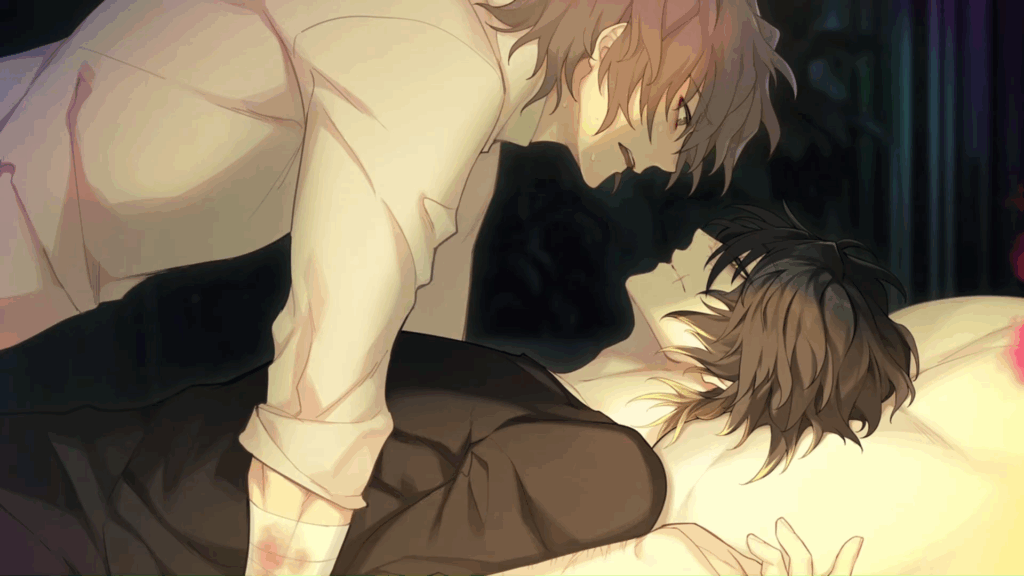
While a visual novel was the best medium, I wonder if it being a boy’s love game doesn’t defy the point of trying to create a story about trauma while simultaneously showing us the protagonist and the characters in an erotic way. This ambiguity and lack of clear intent was clearly visible in the true route, where Fujieda suddenly lash out on Towa and basically attempt to rape him. The reasoning behind his action was never addressed, as if it was just a scene placed there to fill up some weird “violent sex quota” sadly present in a lot of boy’s love games, even at the cost of being highly out of character for Fujieda. It’s really bizarre to me to choose to make a game about such a sensitive topic with consideration, and then throw in the towel during the most important part of the game.
Even the principle of “love interests” seems inappropriate, especially when they look twisted in some way or another.
If the true ending has a great conclusion and is a proof to how well trauma was handled, what are the moral of the other stories? That you can still live despite never coming to terms with who you are/healing? This simply contradicts the true ending and makes the game shallow compared to the true ending. Or maybe it was purposeful and another way to show how we can survive past trauma when you don’t deal with it, hence the title of the game. Towa inflicts himself this “slow damage” by being with Taku, Rei or Madarame. This may be a reason why we still don’t have a fandisc release or announcement and had a side story instead. There are no happy after stories of their 3 endings: Towa probably had a relapse and physical symptoms reappeared, offering him insufferable pain.
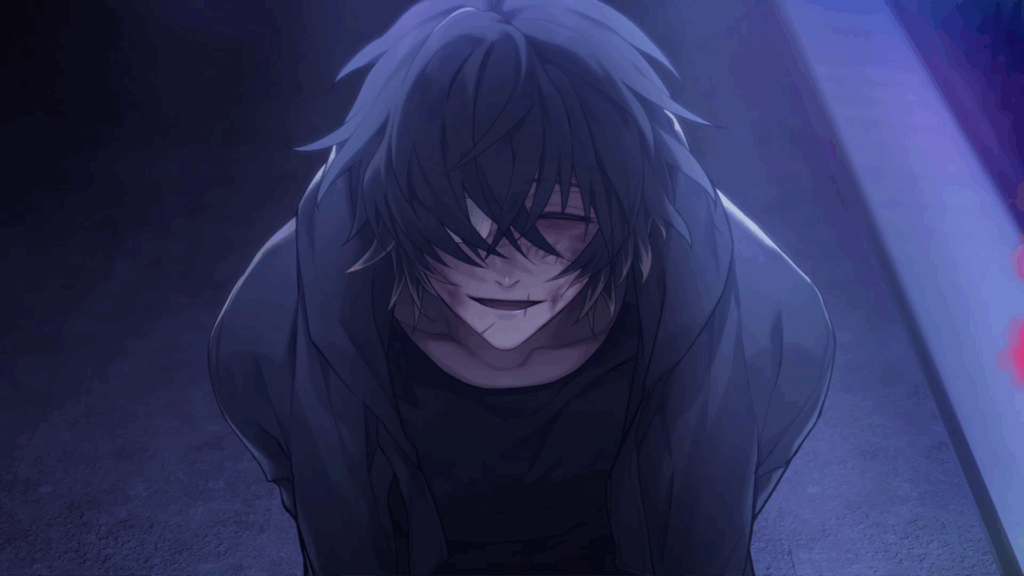
If Towa never reaches his happy ending (aside from the true route) and the love interests look like abusers or bystanders, what’s the point of going through all these routes? Part of the problem is how the final ending with Fujieda shades this new light on previous routes. If the game tried to be unconventional with new mechanics, maybe it could have experimented with a new structure without a true ending. True endings work better when there is a lot of lore involved and the final route ties it nicely. Here, the main focus of the ending was Towa’s discovery about his past and recovery, so it really feels like the only valid ending is this one.
So what is this game?
I still don’t know, but it left an impact on me for sure. I abandoned it and came back to it 1 year later simply because I was curious about Towa. Now that I know everything, I’m confident that I will not replay it anytime soon, and probably never again. But it was a novel experience for sure.





One Comment